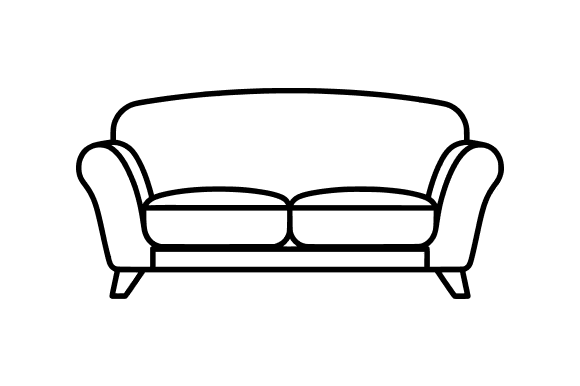
Couch or Sofa Line Art Clip Art: Graphics & Illustrations
As a brand designer who spends most of my week refining visual identities for local businesses, I approach every new graphic design asset with a critical eye. It is not just about whether an image looks good on a screen; it is about how it translates to physical packaging, digital storefronts, and the overall narrative of a small business. Recently, I evaluated the Couch or Sofa Line Art Clip Art for a potential project involving a boutique home decor shop that specializes in handmade textiles and artisanal furniture care products. My goal was to determine if this specific illustration could serve as a cornerstone for their brand identity and packaging design.
First Impressions and Brand Mood
The moment I opened the file for the couch or sofa line art clip art, the immediate impression was one of understated elegance and modern simplicity. Line art, by its very nature, strips away unnecessary detail to focus on form and contour. This particular asset exudes a mood that is both inviting and sophisticated. It suggests a brand personality that values comfort without sacrificing style. For a local business, such as a handmade soap company targeting homebodies or a boutique selling curated living room accessories, this vibe is invaluable.
The illustration feels organic yet structured, making it versatile enough to fit into a modern design aesthetic while retaining a touch of warmth. It does not scream "luxury" in an aloof, high-fashion sense, nor does it feel overly playful or childish. Instead, it strikes a balance that implies quality craftsmanship and thoughtful living. This makes it an excellent candidate for businesses that want to communicate reliability and coziness to their customer base.
Strategic Applications in Local Business Branding
In the context of real-world application, the utility of this illustration extends far beyond a simple decorative element. For the hypothetical home decor brand I am envisioning, this asset could become the hero graphic on their primary product label. Imagine a glass jar of furniture wax or a fabric spray bottle; placing this clean line drawing of a sofa front and center instantly communicates the product's purpose without needing excessive text.
Beyond labeling, the couch or sofa line art clip art is perfect for creating a cohesive suite of marketing visuals. It can be scaled down for hang tags attached to throw pillows or woven blankets, providing a subtle branding cue that reinforces the product category. For social media graphics, this asset works beautifully as a watermark or a background element in Instagram stories promoting a new collection. It can also be utilized in web design as a section divider on a homepage, guiding the user's eye between product categories with a thematic touch.
Furthermore, for promotional materials like flyers, posters, or even thank-you cards included in shipment boxes, this graphic adds a layer of professionalism. It transforms a standard transactional piece of paper into a branded experience. When used in editorial design for a lookbook or a seasonal catalog, the line art can frame product photography, adding structure to the layout without overpowering the images of the actual goods.
Enhancing Business Presentation and Customer Trust
The strategic inclusion of high-quality graphics and illustrations like this one directly impacts how a business is perceived. A strong first impression is crucial for local businesses competing in a crowded marketplace. By using a consistent visual motif across all touchpoints—from the product mockup on the website to the physical packaging accents—a brand creates a clearer visual hierarchy. Customers can quickly identify what the business sells and the level of care put into the presentation.
This consistency builds trust. When a customer sees the same refined line art on a social media ad, the website banner, and the physical product they receive, it signals a polished and professional operation. It suggests that the business owner pays attention to details, which often leads consumers to assume the same level of care goes into the product itself. For a handmade business, this emotional connection is vital. The couch or sofa line art clip art helps bridge the gap between a hobbyist venture and a established brand, offering better shelf appeal and a stronger emotional resonance with the target audience.
Ideal Use Cases and Placement
To maximize the impact of this asset, it should be deployed where it can breathe. It works best as a focal point on minimalist packaging or as a decorative border on larger formats like tote bags or posters. It is particularly effective for:
- Hero Graphics: Using it as the main visual on a landing page or the front of a box.
- Seasonal Packaging: Incorporating it into holiday-themed designs for home goods.
- Boutique Visuals: Enhancing the aesthetic of store signage or window displays.
- Printable Design: Creating downloadable guides or care instruction sheets for furniture.
Areas Requiring Caution
However, not every context is suitable for this type of imagery. Designers should exercise caution when considering this asset for formal corporate branding where a more abstract or typographic approach might be required. Additionally, because it is a line drawing, it may get lost if placed on a busy, patterned background or within a crowded product packaging layout that already contains heavy text and ingredient lists. It should never compete with legal information or safety warnings on a label. For ultra-luxury minimalist brands that rely solely on typography and negative space, adding an illustrative element might dilute the intended starkness. Always ensure there is sufficient contrast between the lines and the background to maintain legibility.
Practical Notes for Brand Designers
Before finalizing any commercial design project with this asset, there are several practical steps I recommend. First, always test the couch or sofa line art clip art on real product mockups to see how the line weight holds up at different sizes. Check its performance in black and white to ensure it remains distinct without color reliance. If the file format allows, inspect the SVG design or vector editability to adjust stroke widths for specific print requirements.
It is also essential to preview the graphic alongside various typography styles. Does it pair well with a bold serif font for a classic look, or does it shine next to a clean sans serif font for a modern vibe? Perhaps a script font adds the necessary human touch for a handmade brand. Finally, and most critically, always confirm the commercial license terms. Ensure that the usage rights cover physical product sales, small business branding, and unlimited reproduction if you plan to use it on thousands of labels. By treating these design assets with due diligence, we can elevate local businesses and create lasting visual identities.